
Fountain pens are cherished for their elegance, smooth writing experience, and the personal touch they bring to handwriting. However, they require a bit more care and knowledge than regular pens. Whether you are a seasoned user or a newcomer to the world of fountain pens, avoiding common mistakes can enhance your writing experience and extend the life of your pen. Here are five common mistakes to avoid when using a fountain pen and how to fix them.
Using the Wrong Type of Ink
Selecting the appropriate ink for your fountain pen is not just a matter of preference but a necessity for the pen’s optimal performance and longevity. The wrong ink can lead to several issues, including clogs, damage to the pen’s internal components, and overall poor writing quality. Here’s a closer look at why this is important and how to make the right choice:
Avoid Using India Ink or Calligraphy Ink: These inks are designed for use with dip pens and contain ingredients that make them unsuitable for fountain pens. India ink, for example, includes shellac, a resin that can dry out and harden within the intricate feed system of a fountain pen, causing severe clogs. Similarly, calligraphy inks often contain pigments that can settle and solidify, leading to blockages that are difficult to clean.

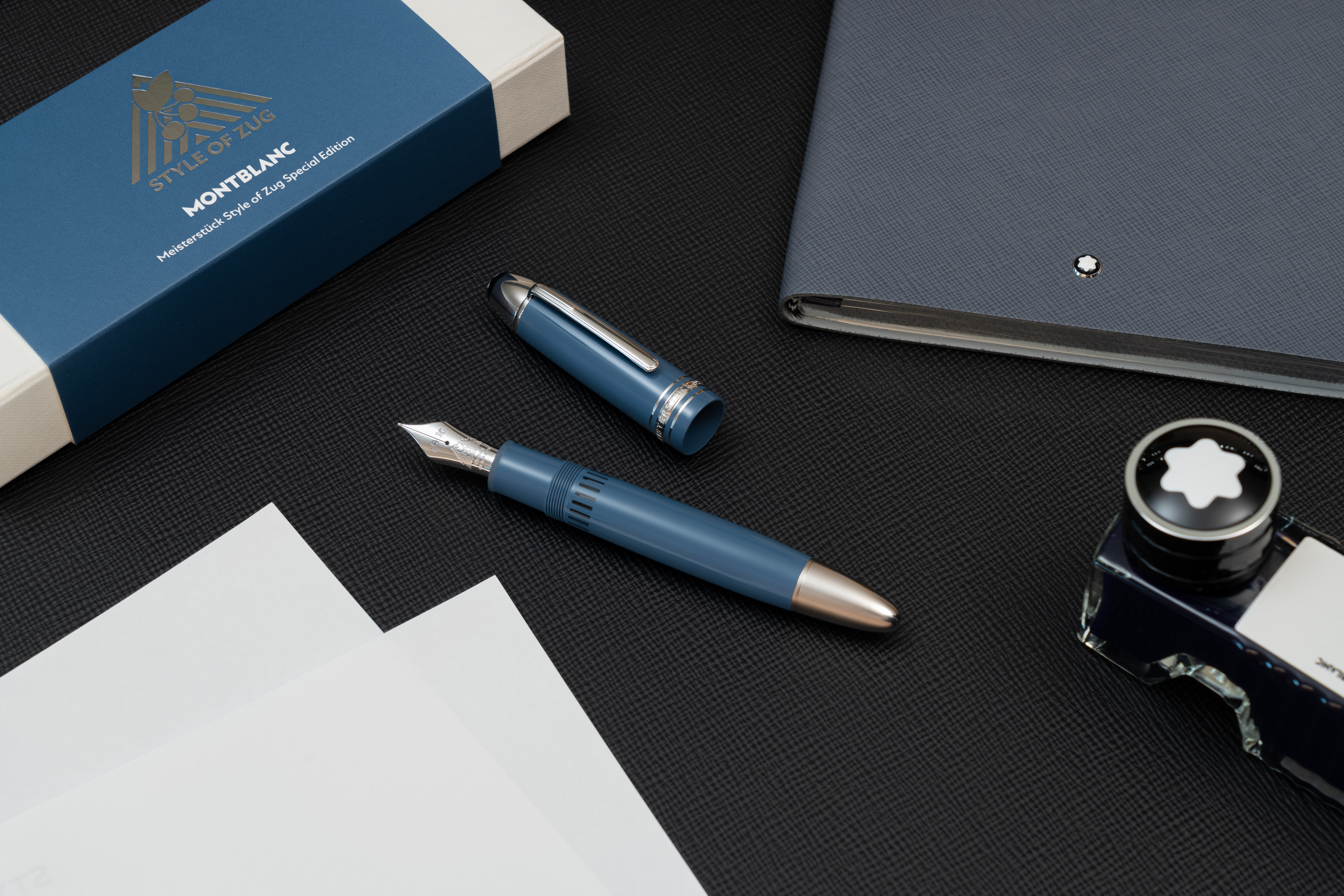
Stick to Fountain Pen Ink: Fountain pen inks are specially formulated to flow smoothly through the pen’s feed system. They are water-based and designed to work seamlessly with the delicate internal components of fountain pens. Brands like Pilot, Montblanc, and Sailor produce reliable inks that ensure smooth flow, vibrant color, and easy maintenance. Using these inks helps maintain the pen’s performance and reduces the risk of clogs and damage.
Watch Out for pH Levels: The pH level of ink can significantly affect the pen’s longevity. Inks that are too acidic or alkaline can corrode the pen’s internal components over time, especially if the pen has metal parts. Opt for pH-neutral inks to ensure that your pen remains in good condition. Most reputable fountain pen ink manufacturers ensure their inks are pH-balanced to prevent corrosion and maintain the pen’s integrity.

Neglecting Regular Cleaning
Regular maintenance is essential for ensuring the optimal performance and longevity of your fountain pen. Unlike ballpoint pens, which are generally maintenance-free, fountain pens have a more complex feed system that requires periodic cleaning to prevent ink buildup, clogs, and flow issues. Here’s why regular cleaning is crucial and how you can properly maintain your fountain pen:
Flush Your Pen Regularly: Over time, ink residue and paper fibers can accumulate in the pen’s nib and feed, leading to blockages and inconsistent ink flow. To prevent this, it’s recommended to clean your fountain pen every 4-8 weeks, depending on usage. Flushing the pen with lukewarm water can effectively remove dried ink and debris. For a more thorough cleaning, use a bulb syringe to flush the water through the nib and feed.

Avoid Using Hot Water or Solvents: While it might be tempting to use hot water or chemical solvents to clean your pen, these can cause damage. Hot water can warp or damage plastic components, while solvents can deteriorate the pen’s material and strip away necessary lubricants. Instead, use clean, room-temperature water. For stubborn ink stains, you can use a gentle pen cleaning solution or a mixture of water and a few drops of household ammonia.
Disassemble and Clean: If your pen allows for it, disassemble the nib and feed for a more comprehensive cleaning. This usually involves removing the nib and feed from the pen’s section. Be sure to follow the manufacturer’s instructions to avoid damaging delicate parts. Once disassembled, rinse each component thoroughly with water until the water runs clear. Allow all parts to dry completely before reassembling the pen.
Improper Storage
Proper storage of your fountain pen is crucial to maintaining its functionality and extending its lifespan. Unlike other writing instruments, fountain pens require specific storage conditions to prevent leaks, clogs, and physical damage. Here’s a detailed look at why storage matters and how to store your fountain pen correctly:
Store Horizontally or Nib-Up: The orientation in which you store your fountain pen significantly impacts its performance. Storing the pen horizontally or with the nib pointing upwards is generally recommended. When stored horizontally, the ink is evenly distributed within the pen, preventing it from pooling at the nib or feed. This helps avoid clogs and ensures a smoother ink flow when you start writing. Storing the pen nib-up prevents ink from pooling in the nib and feed, which can cause clogs and hard starts. Avoid storing the pen nib-down, as this can lead to ink leakage and excessive ink flow when you begin writing.

Avoid Extreme Temperatures: Temperature fluctuations can adversely affect your fountain pen. Exposure to heat can cause the ink to expand, leading to leaks and potential damage to the pen’s internal components. Conversely, cold temperatures can thicken the ink, making it difficult for the pen to write smoothly. Always store your pen in a stable, room-temperature environment. If you must carry your pen in varying climates, use a protective case to help insulate it from extreme temperatures.
Use a Pen Case: A dedicated pen case offers multiple benefits, including protection from physical damage and environmental factors. Pen cases are designed to keep your fountain pen secure, preventing scratches, dents, and other forms of damage that can occur during daily use or travel. Additionally, a pen case can shield your pen from dust and lint, which can clog the nib and feed. When choosing a pen case, look for one that fits your pen snugly but allows easy access.
Applying Excessive Pressure
One of the distinctive features of fountain pens is their ability to write with minimal pressure. This design not only makes writing more comfortable but also protects the delicate nib from damage. Understanding how to use a fountain pen correctly and avoiding excessive pressure is crucial for maintaining its performance and longevity. Here’s why this is important and how to use your fountain pen properly:
Write Gently: Fountain pens rely on capillary action to draw ink from the reservoir to the nib and onto the paper. This mechanism means that the pen writes best with a light touch. Pressing too hard can spread or even crack the nib, leading to uneven ink flow and a rough writing experience. Writing with a gentle hand allows the ink to flow naturally and smoothly, providing the elegant writing experience fountain pens are known for.

Hold the Pen Correctly: The way you hold your fountain pen affects the amount of pressure applied. Hold your pen at a 45-degree angle to the paper to optimize ink flow and writing comfort. This angle helps maintain a consistent line and prevents skipping. Additionally, ensure that you hold the pen loosely, allowing the weight of the pen and the capillary action to do the work. Holding the pen too tightly can cause undue pressure and affect your writing style.
Practice Proper Technique: If you’re new to fountain pens, it may take some time to get used to the light touch required. Practice writing with a relaxed grip and minimal pressure to develop the right technique. Consider writing exercises that emphasize smooth, flowing movements rather than pressing down hard. Over time, you’ll develop muscle memory for the correct pressure and angle.
Ignoring the Cap
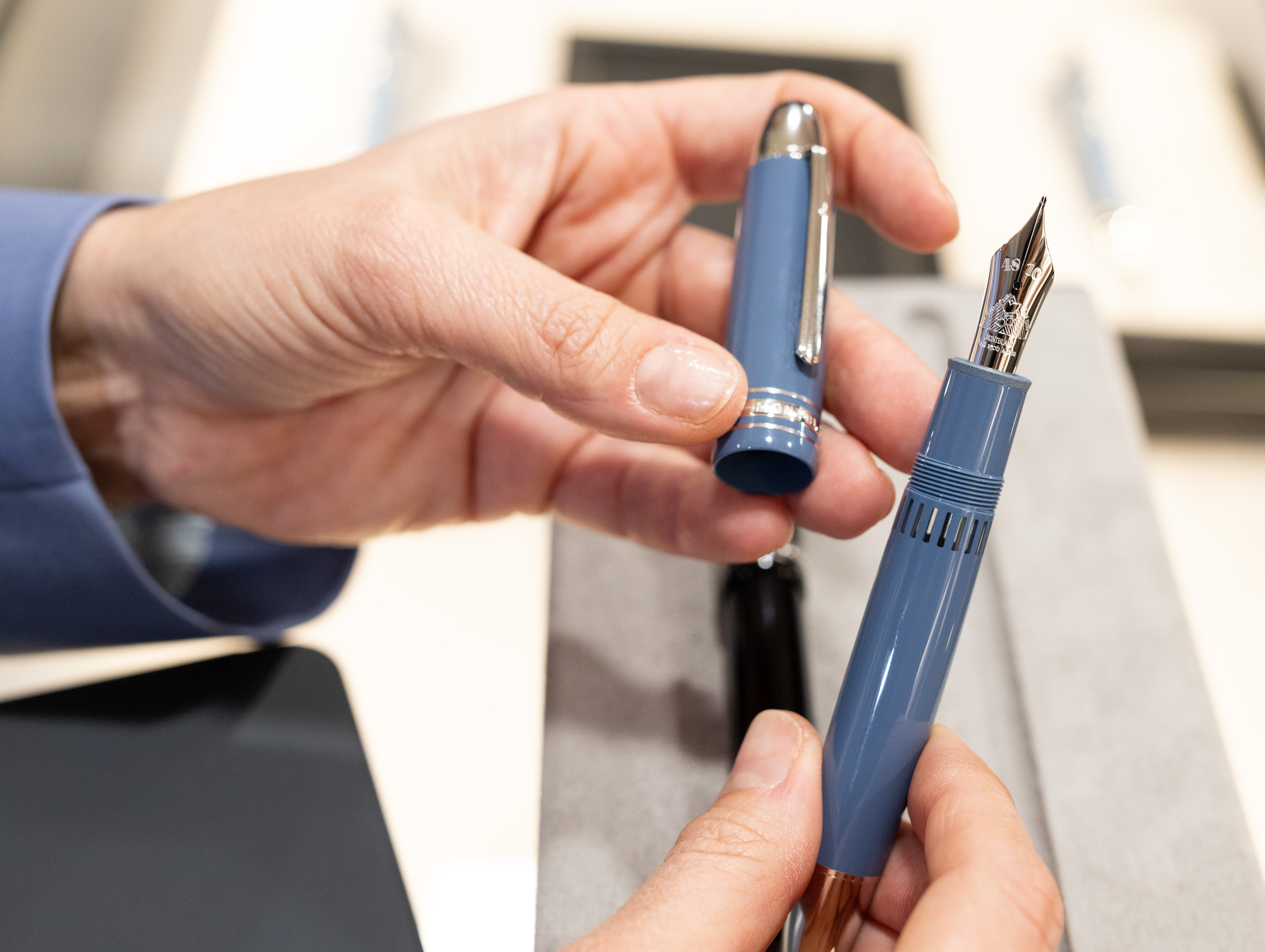
Capping your fountain pen when it’s not in use is a simple yet essential practice to maintain its performance and longevity. The nib and feed are delicate components that require protection from the air to prevent the ink from drying out and causing clogs. Here’s why keeping your fountain pen capped is crucial and how to properly care for your pen to avoid drying out and clogging:
Cap the Pen When Not in Use: One of the most common mistakes new fountain pen users make is leaving the pen uncapped for extended periods. This can cause the ink in the nib and feed to dry out, leading to clogs and hard starts. Always replace the cap when you’re not writing, even if you’re setting the pen down for a few minutes. This habit ensures that the ink remains fluid and ready for use.

Check the Seal: A good cap not only covers the nib but also seals it off from air exposure. Ensure that the cap fits snugly to maintain an airtight seal. Some high-quality fountain pens feature inner caps or sealing mechanisms that provide an extra layer of protection against drying out. If the cap is loose or doesn’t fit properly, consider replacing it or using a different pen.
Store with the Cap On: Even when storing your fountain pen for a short period, it’s crucial to keep it capped. An uncapped pen left overnight or for several days can dry out completely, making it difficult to start writing again without thorough cleaning. A capped pen retains moisture around the nib and feed, ensuring that the ink remains in a ready-to-use state.
Condividi:
- Share on X (Opens in new window) X
- Share on Facebook (Opens in new window) Facebook
- Share on WhatsApp (Opens in new window) WhatsApp
- Share on LinkedIn (Opens in new window) LinkedIn
- Share on Pinterest (Opens in new window) Pinterest
- Share on Telegram (Opens in new window) Telegram
- Email a link to a friend (Opens in new window) Email
Leave a Reply