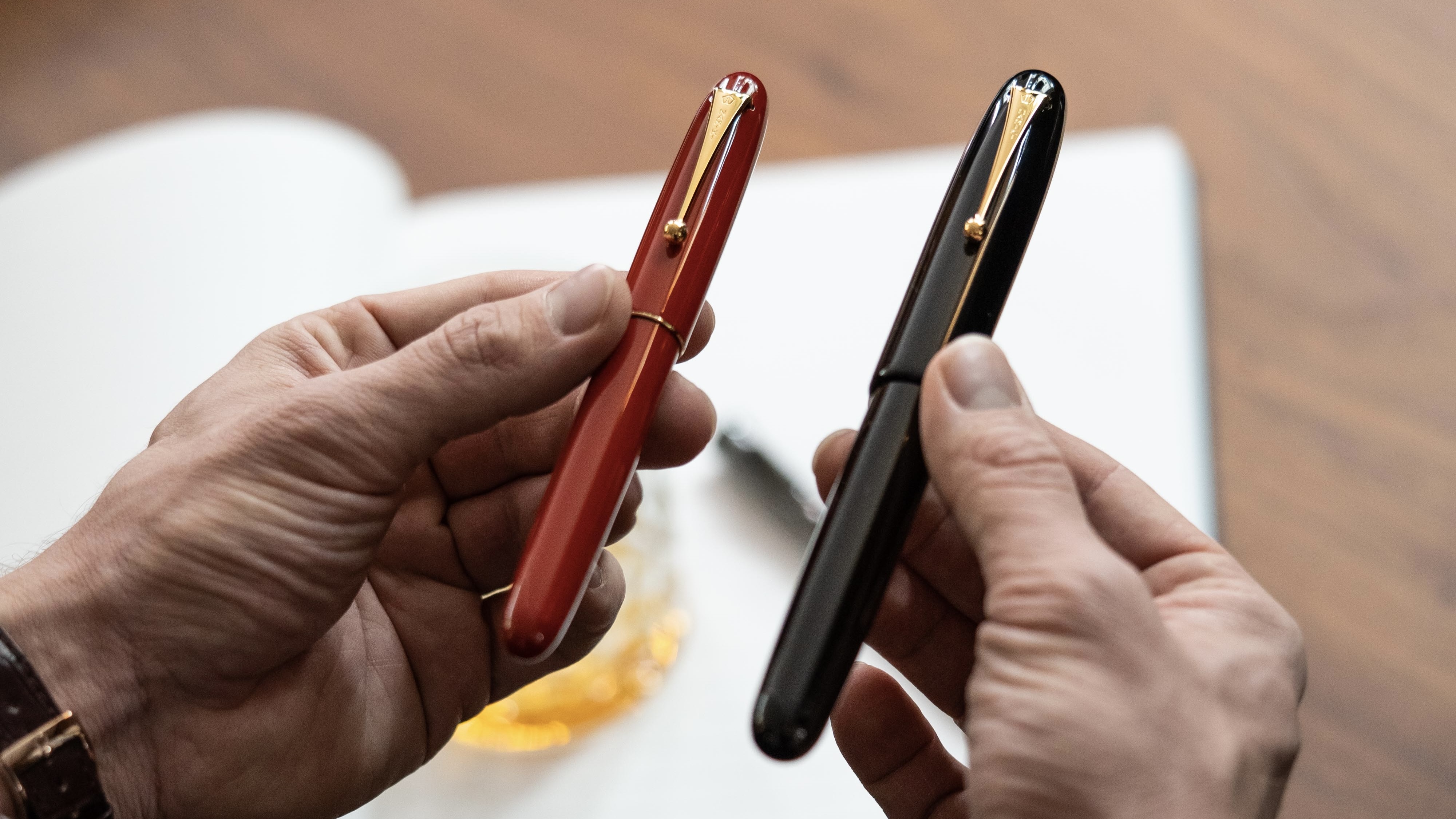
In the world of fine writing instruments, fountain pens are celebrated for their elegance, craftsmanship, and the unique writing experience they offer. Whether you’re a seasoned collector or a newcomer, knowing how to spot a high-quality fountain pen is essential. In this article, we’ll guide you through ten key features to look for that distinguish a superior fountain pen from the rest. Understanding these characteristics will enhance your appreciation of these pens and aid in making informed purchases.
1. Material Quality
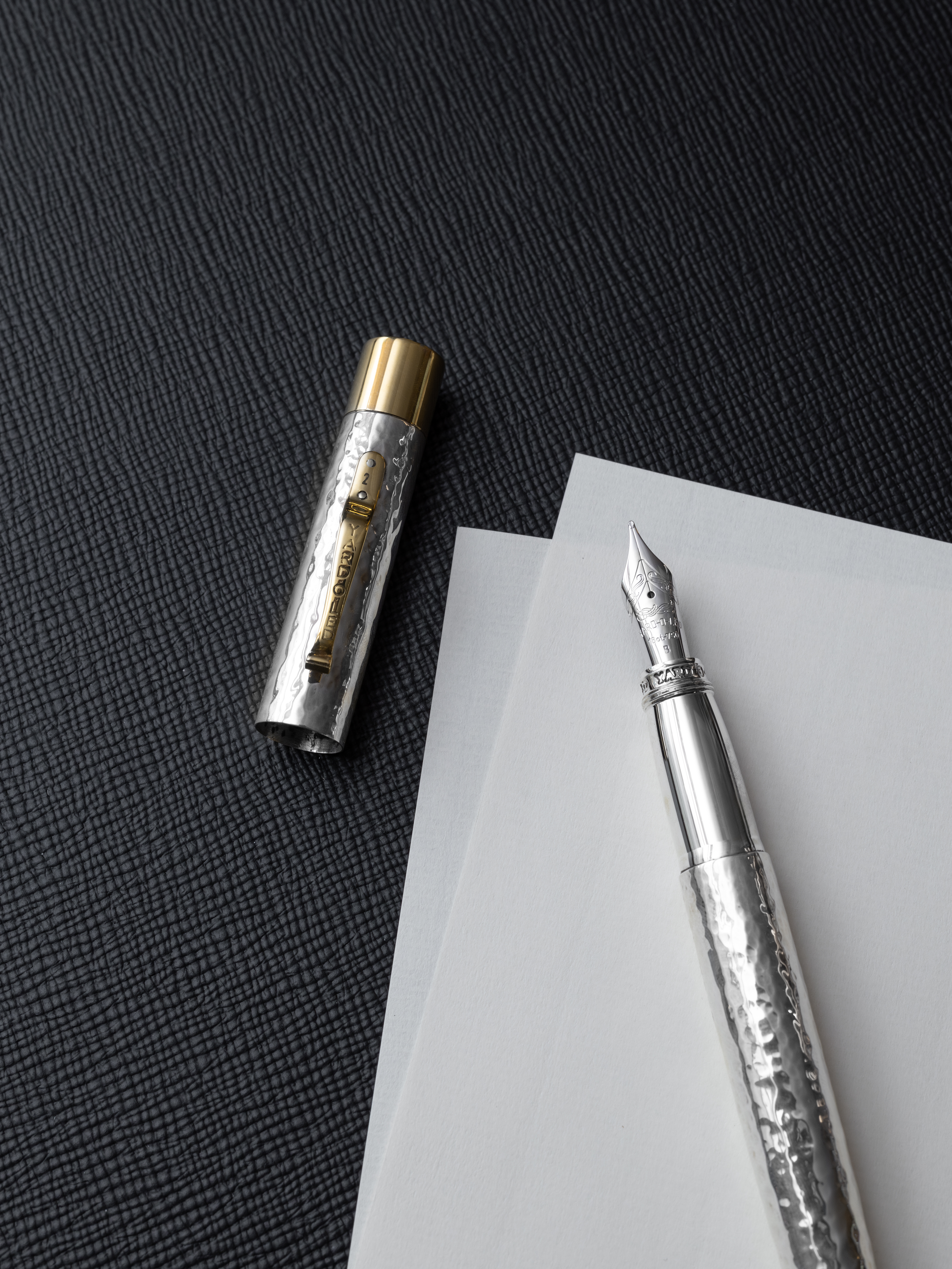
The choice of materials in a fountain pen affects both its performance and aesthetics. High-quality pens often use resilient, luxurious materials like celluloid, precious metals, or high-grade acrylics. These materials are chosen for their durability and their ability to be finely crafted. For example, a pen made from sterling silver or gold will not only have a substantial, premium feel but also exhibit a brilliance in finish that lesser materials cannot match. The surface should be smooth, with a polished sheen that resists fingerprints and smudges, ensuring that the pen remains visually appealing through years of use.

2. Nib Composition and Design
The nib, typically made from gold for its flexibility and corrosion resistance, can also be made from stainless steel, which provides sturdiness and resistance to wear. Gold nibs are often tipped with a hard, wear-resistant material like iridium to maintain the nib’s point over time. The design of the nib should facilitate a smooth flow of ink, with a slit that evenly distributes the ink onto the paper and a breather hole to help regulate the ink flow and air pressure. The tip of the nib should be rounded and polished to provide a smooth glide across the paper without scratching, making writing a seamless pleasure.

3. Filling Mechanism
The filling mechanism of a fountain pen is not only a functional aspect but also a marker of its craftsmanship. High-end models typically incorporate robust and efficient filling systems such as piston fillers, lever fillers, or cartridge converters. A piston filler, for instance, utilizes a knob at the end of the pen that draws ink into the reservoir through a simple twist. This system not only holds a significant amount of ink but also allows for a reliable and enjoyable filling experience. The operation of these mechanisms should be smooth and effortless, signifying a well-engineered pen that will provide reliable service and not prone to leaks or mechanical failure.
4. Craftsmanship and Detailing
The craftsmanship of a fountain pen is evident in its construction. A high-quality pen will have a seamless assembly, with all parts fitting together without any gaps. The engraving, if present, should be sharp and clear, often custom to the brand or the specific pen model, adding a layer of exclusivity. Details such as the threading on the cap, the alignment of the clip, and the overall balance of the pen speak volumes about the time and effort invested in its design and production. These small details contribute to both the functional integrity and aesthetic beauty of the pen, ensuring that it not only looks splendid but also performs flawlessly.

5. Brand Reputation and Heritage
A brand’s reputation is often built on years, if not generations, of quality and reliability. Brands like Montblanc, Pelikan, or Sailor, for example, have established themselves as leaders in the pen industry through consistent production of high-quality writing instruments. These companies honor tradition while innovating, ensuring that each pen upholds a standard of excellence. Brand heritage can also influence design, with many companies maintaining aesthetic elements that hark back to their origins. Investing in a pen from a reputable brand often means access to a legacy of craftsmanship, with assured quality and a dependable warranty that protects your investment.

6. Weight and Balance
The weight and balance of a fountain pen contribute significantly to its handling and comfort during writing. A high-quality pen is engineered to feel natural in the hand, with a weight that is substantial yet not overbearing. The balance point is usually near the center of the pen when capped or posted, facilitating an even distribution of weight across the fingers. This balance helps in reducing fatigue during prolonged writing sessions. Trying different writing positions with the pen can help assess its balance. A well-balanced pen will feel as if it is an extension of your hand, making writing effortless and enjoyable.

7. Ink Flow Consistency
Consistent ink flow is critical for ensuring that every word or drawing detail is rendered as intended. High-quality fountain pens are designed to deliver a steady stream of ink, with a feed system that matches the ink delivery to the writing pressure and speed. This system should prevent common issues like blotching, skipping, or flooding, which can detract from the writing experience. Testing a pen on different types of paper can also reveal the quality of its ink flow, as a good pen should perform well across a range of paper textures and qualities without loss of performance.
8. Cap Seal and Closure
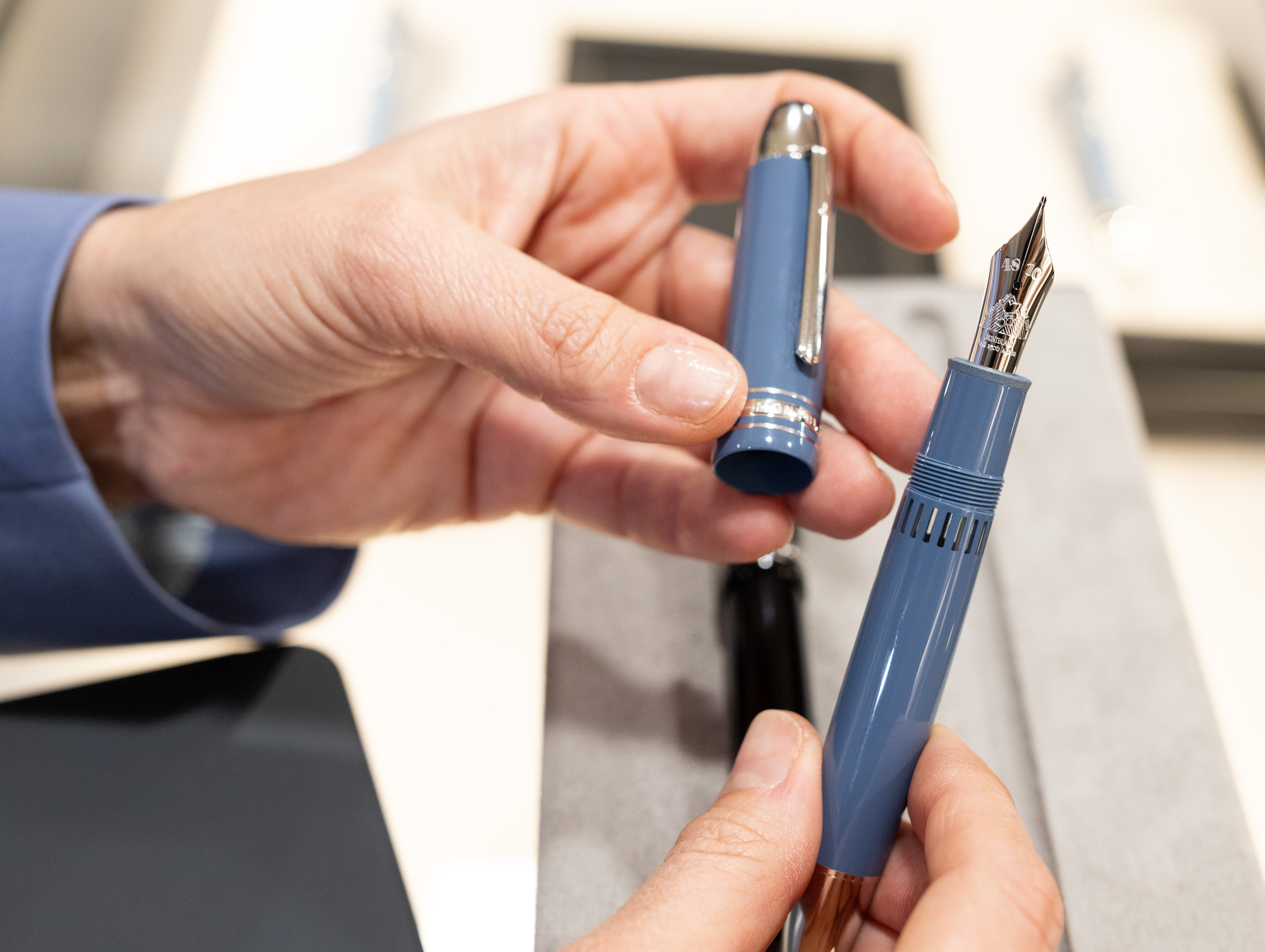
The cap of a fountain pen serves a critical function in preserving the ink and ensuring the pen is ready to write when needed. A quality fountain pen will have a cap that not only fits securely but also provides an airtight seal. This prevents the ink from drying out, which can lead to clogging and poor performance. Some caps feature a screw-on mechanism that aligns precisely, while others may have a snap mechanism that clicks firmly into place. The interior of the cap often includes a plastic or rubber lining that fits snugly around the nib, enhancing the seal and protecting the nib from damage while the pen is capped.

9. Feedback and Smoothness
While writing, a fountain pen should provide a tactile response that feels engaging without being intrusive. The feedback from the paper, a slight resistance as you write, is a cherished feature among many enthusiasts. This feedback should be subtle, however, allowing the pen to move smoothly across the page. The smoothness of a pen is largely dependent on the nib’s design and the quality of its finish. A high-quality nib will have been tuned and polished to reduce any scratchiness, providing a writing experience that feels fluid and responsive. This makes the pen not only a tool for writing but a pleasure to use, enhancing the overall experience.
10. Customer Service and Warranty
High-quality fountain pens are often accompanied by superior customer service and robust warranty policies. These services reflect the manufacturer’s confidence in their product and their commitment to customer satisfaction. Look for brands that offer comprehensive warranties that cover any defects in materials or workmanship. Additionally, good customer support can be invaluable, providing assistance with everything from filling the pen to troubleshooting ink flow issues. Some premium brands or pen boutiques also offer services like nib exchange programs or even customization options, allowing you to tailor the pen to your writing style and preferences. This level of support not only enhances your experience but also ensures that your pen remains a reliable companion for years.
Conclusion
Buying your first high-quality fountain pen can be quite difficult if you’re new to the game. However, by paying close attention to these ten aspects, you can choose a pen that not only meets your practical needs but also delights your senses and becomes a cherished tool in your writing arsenal. Whether for personal use or as a thoughtful gift, a high-quality fountain pen is a treasured piece for years to come, as well as a commitment to the beautiful art of writing.
Condividi:
- Share on X (Opens in new window) X
- Share on Facebook (Opens in new window) Facebook
- Share on WhatsApp (Opens in new window) WhatsApp
- Share on LinkedIn (Opens in new window) LinkedIn
- Share on Pinterest (Opens in new window) Pinterest
- Share on Telegram (Opens in new window) Telegram
- Email a link to a friend (Opens in new window) Email
Leave a Reply